


The Key Role of Potassium in Hay Production
#Crop Advisor Blog ·2026-03-20 09:20:50


The Key Role of Potassium in Hay Production
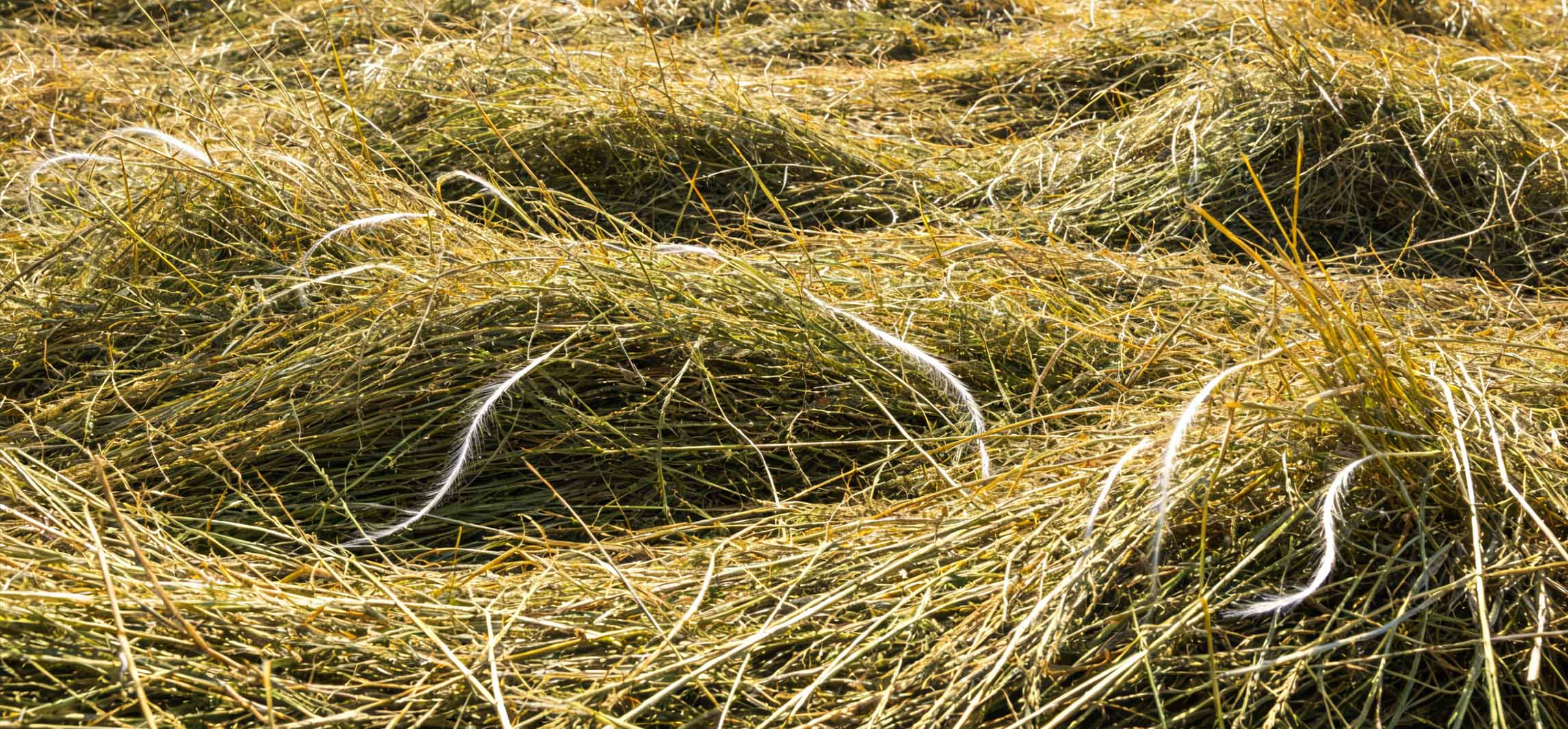
Hay is the cornerstone of livestock nutrition, occupying a core position in the daily rations of various livestock and poultry such as dairy cows, horses, and small ruminants. Its quality directly determines the health level, growth performance, and breeding efficiency of animals. Variables affecting hay quality run through the entire process of planting, harvesting, and storage. Among many factors, the role of potassium (K) is often overlooked, yet it profoundly impacts the growth, yield, quality of hay crops, and even the sustainability of the entire production system.
Potassium: The Underrated "Third Nutrient"
Potassium is one of the three essential macronutrients for plant growth and development, on par with nitrogen and phosphorus, and is a core element supporting plant life activities. Although it is often ranked third in fertilizer formulations, it plays an irreplaceable role in key physiological processes such as photosynthesis, water regulation, enzymatic reactions, and nutrient transport. In hay production, the role of potassium is more specific: hay crops are mostly perennial or multiple-harvest annual herbaceous plants, and harvesting continuously removes a large amount of nutrients. The adequacy of potassium supply directly determines whether hay can achieve stable high yield and good quality, as well as whether the soil can maintain long-term fertility.
Core Value of Potassium: Full-chain Empowerment from Crop Stress Resistance to Quality Improvement
- 1. Regulate Water Metabolism and Strengthen Hay's Drought Resistance
Hay production is highly dependent on natural precipitation. Especially in drought-prone regions such as BC, high temperatures and low rainfall in summer often become a bottleneck for yield. Potassium acts as the "water steward" of plants: it can regulate stomatal opening and closing and cell turgor pressure, enabling crops to reduce water loss and efficiently absorb soil moisture during drought periods, maintain upright plant posture and physiological activity, and avoid wilting and premature senescence due to water shortage. Sufficient potassium levels can significantly enhance the drought resistance of hay crops, allowing them to maintain photosynthetic efficiency and growth vitality during drought cycles, ensuring basic yield and quality. - 2. Drive Nutrient Synthesis and Improve Hay Yield and Intrinsic Quality
Potassium is a key catalyst for the synthesis of carbohydrates, proteins, and oils, which are the core energy and structural basis for the growth, tillering, and lignification of hay plants. Adequate potassium can promote the deep development of root systems, expand the range of nutrient absorption, make hay crops stronger with thicker leaves, and thereby increase biomass and harvestable yield. At the same time, potassium can optimize the fiber structure and nutrient ratio of hay, making hay not only higher in yield but also better in palatability and storability, reducing mold and breakage losses after harvesting. - 3. Optimize Nutritional Structure and Enhance Hay Feeding Value
The role of potassium is not limited to the crop itself, but also directly affects the nutritional value of hay as livestock feed. Hay with standard potassium content usually contains higher concentrations of essential nutrients for livestock such as protein and minerals, which can better meet the nutritional needs of dairy cows for lactation, horses for exercise, and ruminants for growth. In addition, potassium improves the taste and digestibility of hay by regulating the ion balance of plant tissues, enhancing livestock's feeding willingness and nutrient absorption efficiency, making high-quality hay a true guarantee for livestock health and productivity. - 4. Maintain Soil Fertility and Ensure Long-term Sustainable Hay Production
Continuous planting and multiple harvests will continuously remove potassium from the soil. In the long run, this will lead to the depletion of soil potassium reserves and structural degradation, which in turn causes hay yield reduction and quality decline. Therefore, potassium is the core of soil fertility management in the hay production system: farmers need to supplement the potassium removed by harvesting through reasonable crop rotation, straw returning to the field, application of organic amendments (such as compost and manure), or precision-formulated potassium fertilizers to maintain stable soil potassium levels. Scientific potassium management not only ensures the current hay yield but also avoids soil acidification and compaction, maintains long-term farmland health, and lays a foundation for the sustainable development of hay production.
In hay production, the importance of potassium is often overshadowed by nitrogen and phosphorus, but its value runs through every link of crop growth, quality formation, and soil sustainability: it is the "protective umbrella" for hay crops against drought, the "booster" for improving yield and quality, the "nutrient source" for optimizing livestock feeding value, and the "ballast stone" for maintaining soil fertility.
Neglecting potassium management will not only lead to a decline in hay yield and quality but also overdraw soil fertility and affect long-term production benefits. For farmers and agricultural practitioners, potassium management must be elevated to the same important position as nitrogen and phosphorus. Only by maintaining soil potassium balance through scientific soil testing, precision fertilization, organic improvement and other means can an efficient and sustainable hay production system be built to achieve mutual benefits for crops and livestock.
If you have questions about soil fertility assessment or the formulation of potassium management plans, you can contact a professional agricultural technical team for targeted guidance to help improve the quality and efficiency of hay production.