



Reduce Spider Mite Pressure: This Year to Next Year
#Crop Advisor Blog ·2022-10-07 11:40:58


Reducing Spider Mite Pressure: A Long-Term Control Plan from This Year to Next
The damage caused by spider mites (tetranychids) is often seasonal and persistent — population outbreaks during hot, dry summers directly lead to a sharp increase in pest pressure the following spring. However, by seizing the critical fall window and combining scientific control measures with Biofert synergists, overwintering mite populations can be effectively suppressed, clearing obstacles for next year's planting.
1. Understanding the Overwintering Code of Spider Mites
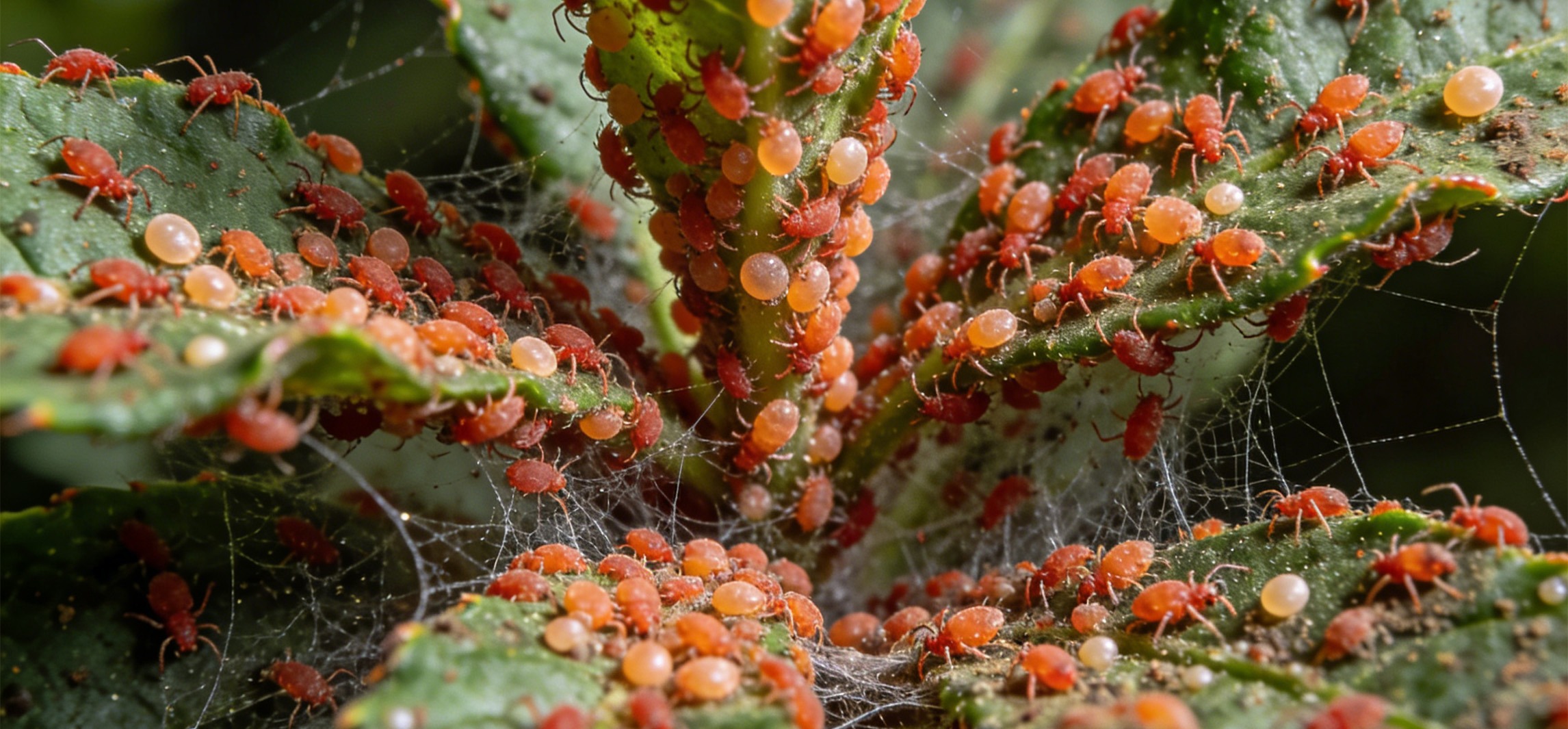
In autumn, shorter daylight hours, lower night temperatures, and reduced crop nutrition trigger spider mites to enter diapause (a state similar to hibernation):
- Body color changes from typical yellowish-green to red-orange, with significant physiological and behavioral changes, leading to a substantial increase in pesticide tolerance;
- Virtually cease feeding, females delay egg-laying after mating, and actively move to hidden locations such as the ground, soil crevices, openings in facility structures, and irrigation pipes to prepare for overwintering;
- Spider mites in this stage are more difficult to kill with conventional chemical pesticides, but this is still a critical node for biological control and precise intervention.
2. Core Fall Control Strategies (Combined with Biofert Products)
Strategy 1: Proactive Intervention on Plant Surfaces to Reduce Mite Population Base
Before spider mites fully enter dormancy is the golden period to suppress their populations. Although their sensitivity to chemical pesticides decreases at this time, efficient control can be achieved through biological control + Biofert synergists:
- Biological Control: Release predatory mites (such as Phytoseiulus persimilis, Neoseiulus californicus), which prefer to feed on non-diapausing spider mites and can precisely eliminate active mites on plants;
- Product Synergy: Use in combination with Biofert Shikuole (vegetable oil-based acaricidal and ovicidal functional synergist), which can be mixed with biological control agents or low-toxicity acaricides:
- Shikuole dissolves the waxy layer on the spider mite surface, blocks stomata, and damages mite egg structures, achieving "adult mite + egg" dual kill;
- Its excellent spreading and penetrating properties allow pesticide solutions / natural enemy carriers to adhere more evenly to leaf and silk web surfaces, improving control coverage and avoiding missed spider mites.
Strategy 2: Precision Attack on Overwintering Sites to Cut Off Next Year's Pest Source
The habit of spider mites migrating to the ground means a large number of mites hide in hidden locations such as soil crevices, edges of plastic mulch, and openings in facility columns/pipes. For these overwintering sites, the following measures can be taken:
- Soil Medium Control: Release soil-dwelling predatory mites (Stratiolaelaps scimitus), which actively search for and prey on overwintering spider mites in soil and mulch, serving as the core natural enemy for clearing overwintering mite populations;
- Supplementary Synergy Plan: After cleaning facility sanitation, treat overwintering areas with Biofert Zhanshensan (fluorine-containing three-in-one synergist):
- Zhanshensan's dispersing and penetrating properties enable control pesticides / natural enemy carriers to penetrate deep into crevices, covering blind spots where spider mites hide;
- At the same time, it reduces water and fertilizer residues, disrupts the microenvironment for spider mite overwintering, and further reduces overwintering survival rates.
Strategy 3: Long-Term Management to Achieve Cross-Season Pest Control
- Timing Selection: After crop removal, facility cleaning, and before new plant transplantation, release Stratiolaelaps and treat soil and facility crevices with Zhanshensan to cut off next year's pest source;
- Value Upgrade: Combine Biofert environmentally friendly fertilizers and soil testing solutions to cultivate robust plants, enhance the crop's own pest resistance, and shift from "passive control" to "active stress resistance";
- Final Effect: Through precise fall intervention, the initial population of spider mites in the following spring can be significantly reduced, reducing pesticide dependence and achieving long-term control of "suppressing numbers this year, reducing pressure next year".
Biofert takes biological control as the core, combined with patented agricultural synergists and environmentally friendly fertilizers, to provide a full-scenario "plant - soil - facility" solution for cross-season spider mite control, helping you easily defend your planting line and grow high-yield, high-quality crops.